
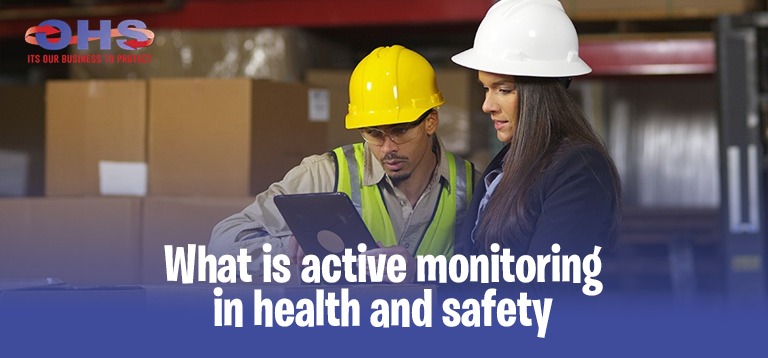
Active monitoring in health and safety is a proactive approach firms take to identify dangers in the workplace, assess safety performance, and prevent accidents before they occur. It includes periodical inspections, safety audits, risk assessments, staff observations, and compliance checks to make sure the workplace safety procedures are in place.
Active health and safety monitoring is important for businesses in the UAE, in specific sectors such as construction, manufacturing, logistics, oil and gas, hospitality, healthcare and facilities management.
At CorporateOHS, we support businesses across the UAE to enhance their occupational health and safety performance through expert HSE consultancy, workplace inspections, audits, training and risk management solutions.
What Does Active Monitoring Mean in Health and Safety?
Active monitoring is monitoring safety systems at the workplace before an event happens. The goal is to find unsafe situations, unsafe behavior and compliance gaps early so that corrective action can be implemented quickly.
Active monitoring is preventive-oriented and the opposite of reactive monitoring, which investigates mishaps after the fact.
Active Monitoring Includes:
- Workplace safety inspections
- Health and safety audits
- Risk assessments
- PPE compliance monitoring
- Employee safety observations
- Equipment safety checks
- Emergency preparedness evaluations
- Fire safety inspections
- Heat stress monitoring
- Permit-to-work monitoring
Organizations use active monitoring to reduce workplace risks, improve compliance, and create safer working environments.
Why Is Active Monitoring Important?
Active monitoring is important because it allows businesses to avoid workplace accidents, occupational diseases, equipment malfunctions and legal non-compliance.
A good safety monitoring system helps companies:
- Reduce workplace injuries
- Prevent accidents and incidents
- Improve employee safety awareness
- Maintain UAE health and safety compliance
- Improve operational efficiency
- Reduce downtime and financial losses
- Strengthen workplace safety culture
- Improve ISO 45001 compliance
Businesses that actively monitor workplace safety are more likely to remember hazards before they cause serious damage.
Key Elements of Active Monitoring
1. Workplace Inspections
Routine inspections are essential for identifying unsafe conditions and unsafe behaviors.
Safety inspections may include checking:
- Fire safety systems
- Emergency exits
- PPE usage
- Electrical systems
- Machinery conditions
- Housekeeping standards
- Chemical storage areas
- Scaffolding and work-at-height setups
Regular inspections help ensure all workplace safety controls remain effective.
2. Safety Audits
Safety audits involve a detailed review of the organization’s health and safety management system.
Audits evaluate whether:
- Policies are being followed
- Safety procedures are effective
- Employees understand safety responsibilities
- Legal requirements are being met
- Risk controls are functioning properly
Audits can be internal or conducted by third-party health and safety consultants.
3. Risk Assessments
Risk assessments are a core part of active monitoring.
Organizations identify workplace hazards, evaluate risks, and implement control measures to reduce exposure to danger.
Common workplace hazards in the UAE include:
- Heat stress
- Slips and falls
- Electrical hazards
- Manual handling injuries
- Falling objects
- Chemical exposure
- Machinery accidents
Regular risk assessments help businesses adapt to changing workplace conditions.
4. Employee Observation and Behavioral Monitoring
Monitoring employee behavior helps organizations identify unsafe actions before they cause accidents.
This may involve:
- Supervisory observations
- Toolbox talks
- Safety walk-throughs
- Near-miss reporting
- Employee feedback sessions
Behavior-based safety monitoring motivates employees to improve workplace safety actively.
5. Equipment and Maintenance Monitoring
Faulty equipment can create serious safety risks.
Active monitoring includes checking:
- Machinery performance
- Lifting equipment
- Electrical tools
- Fire alarms
- Emergency lighting
- Ventilation systems
- Pressure systems
Preventive maintenance reduces equipment failures and workplace hazards.
What Is the Difference Between Active and Reactive Monitoring?
Active Monitoring
Active monitoring focuses on preventing incidents before they occur through inspections, audits, and proactive safety checks.
Reactive Monitoring
Reactive monitoring focuses on investigating incidents after accidents, injuries, property damage, or near misses occur.
Active Monitoring Reactive Monitoring
Prevents accidents before they happen Investigates accidents after occurrence.
Proactive safety management, Reactive safety response
Focuses on hazard prevention. Focuses on incident analysis
Includes inspections and audits Includes accident investigations
Improves ongoing safety performance and identifies lessons after incidents
An effective occupational health and safety management system should include both approaches
Key Components of Active Monitoring in Health and Safety
1. Workplace Inspections
Regular workplace inspections help organizations identify hazards and verify compliance with safety procedures.
Inspection areas may include:
- Fire safety systems
- Electrical installations
- Emergency exits
- Machinery guarding
- Scaffolding safety
- PPE compliance
- Chemical storage
- Housekeeping standards
-
Safety Audits
Safety audits evaluate the effectiveness of workplace health and safety systems.
Audits review:
- Safety documentation
- Employee training records
- Risk assessments
- Emergency procedures
- Legal compliance
- Incident reporting systems
- Risk Assessment Monitoring
Risk assessments identify workplace hazards and determine suitable control measures to reduce risks.
Risk monitoring is especially important in high-risk UAE industries such as:
- Construction
- Oil and gas
- Warehousing
- Manufacturing
- Facilities management
- Employee Safety Engagement
Organizations improve workplace safety by involving employees in monitoring activities through:
- Toolbox talks
- Safety meetings
- Near-miss reporting
- Safety observations
- Employee feedback programs
Employee participation strengthens workplace safety culture.
- Equipment and Maintenance Checks
Preventive maintenance and equipment monitoring help businesses avoid operational failures and safety incidents.
Monitoring includes:
- Lifting equipment inspections
- Fire alarm testing
- Emergency lighting checks
- Ventilation system inspections
- Pressure equipment testing
Benefits of Active Monitoring for UAE Businesses
Improved Regulatory Compliance
Active monitoring helps businesses comply with UAE occupational health and safety regulations and industry-specific standards.
Reduced Workplace Accidents
By identifying risks early, businesses can significantly reduce injuries, property damage, and operational disruptions.
Better Employee Engagement
Employees are more likely to follow safety procedures when they see management actively prioritizing workplace safety.
Enhanced Productivity
Safe workplaces improve employee confidence, operational efficiency, and overall productivity.
Lower Financial Risks
Reducing accidents also lowers compensation claims, legal liabilities, insurance costs, and downtime expenses.
How to Implement Active Monitoring in Health and Safety
Organizations can improve workplace safety performance by implementing a structured active monitoring program.
Best Practices Include:
- Conduct regular workplace inspections
- Perform scheduled safety audits
- Monitor risk control measures
- Train employees on workplace safety
- Encourage near-miss reporting
- Maintain safety records and documentation
- Review corrective actions regularly
- Continuously improve safety systems
Using digital health and safety management systems can also improve reporting accuracy and compliance tracking.
Active Monitoring and ISO 45001
International Organization for Standardization ISO 45001 requires organizations to monitor and evaluate occupational health and safety performance continuously.
ISO 45001 active monitoring requirements include:
- Measuring workplace safety performance
- Conducting inspections and audits
- Monitoring legal compliance
- Evaluating operational controls
- Improving hazard prevention systems
Businesses implementing ISO 45001 in the UAE must establish effective monitoring procedures to maintain certification and improve workplace safety outcomes.
Final Thoughts
Active monitoring in health and safety is an active technique that aids organizations in identifying hazards, improving compliance and preventing workplace accidents. It is a key element of any successful occupational health and safety management system.
Active monitoring procedures are a must for UAE organizations to keep employees safe, stay in compliance with the law, and boost operational performance.
CorporateOHS is a professional health & safety consulting firm in the UAE that helps organizations build safer workplaces through risk assessments, audits, inspections, training, and compliance assistance.