
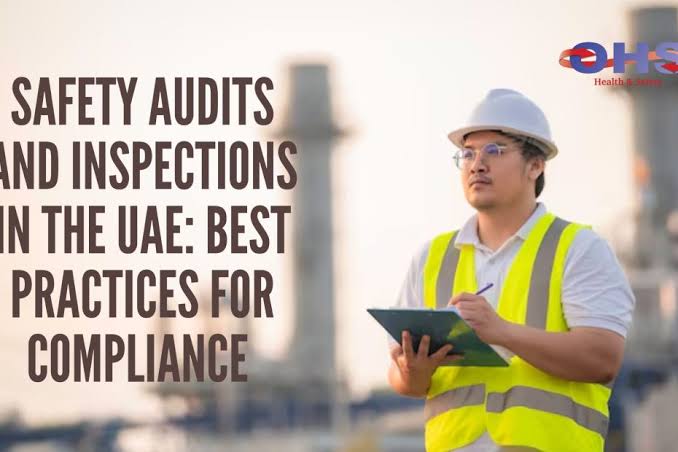
Navigating UAE’s Occupational Health and Safety Regulations: A Complete Guide for Employers
Occupational Health and Safety (OHS) regulations play a vital role in protecting employees, minimizing workplace hazards, and ensuring legal compliance across industries in the United Arab Emirates (UAE). With the country’s rapid economic growth, diverse workforce, and expanding industrial sectors, businesses must prioritize workplace safety to meet regulatory obligations and maintain a productive environment.
Organizations operating in construction, manufacturing, logistics, healthcare, hospitality, education, and other sectors are required to implement appropriate health and safety measures. Failing to comply with UAE Occupational Health and Safety regulations can result in penalties, operational disruptions, reputational damage, and increased risk of workplace accidents.
This guide explores the UAE’s occupational health and safety framework, employer responsibilities, compliance requirements, and best practices for maintaining a safe workplace.
Understanding Occupational Health and Safety in the UAE
Occupational Health and Safety regulations in the UAE are designed to protect workers from workplace injuries, illnesses, and hazards. These regulations establish minimum requirements for employers regarding risk management, employee welfare, emergency preparedness, and workplace monitoring.
The UAE continuously strengthens its safety regulations to align with international practices and ensure that organizations create healthier and safer working environments.
The primary objectives of UAE Occupational Health and Safety regulations include:
- Preventing workplace injuries and illnesses
- Protecting employee health and wellbeing
- Reducing operational risks
- Promoting a positive safety culture
- Ensuring legal compliance
- Supporting sustainable business growth
Businesses that invest in health and safety compliance often experience lower accident rates, improved employee morale, reduced absenteeism, and enhanced organizational performance.
Key Regulatory Authorities in the UAE
Several government bodies oversee workplace health and safety compliance throughout the UAE.
Ministry of Human Resources and Emiratisation (MOHRE)
MOHRE establishes labor regulations that protect workers and require employers to provide safe working conditions.
Abu Dhabi Occupational Safety and Health Center (ADOSH)
ADOSH develops safety management systems and frameworks that organizations must follow within Abu Dhabi.
Dubai Municipality
Dubai Municipality enforces health and safety regulations, particularly in construction and industrial sectors.
Free Zone Authorities
Many UAE free zones have their own Occupational Health and Safety requirements that companies must follow in addition to federal regulations.
Compliance with these authorities helps businesses maintain legal standing while protecting employees from workplace hazards.
UAE Occupational Health and Safety Legal Framework
The UAE legal framework requires employers to take reasonable measures to safeguard employees against workplace hazards.
Key areas covered by regulations include:
- Workplace hazard identification
- Employee training
- Emergency preparedness
- Fire safety
- Equipment maintenance
- Incident reporting
- Personal protective equipment (PPE)
- Occupational health monitoring
Organizations should regularly review regulatory updates to ensure ongoing compliance.
One of the most important compliance activities is conducting Health & Safety Risk Assessments Dubai to identify workplace hazards before incidents occur.
Businesses that perform Health & Safety Risk Assessments Dubai are better positioned to reduce accidents, improve safety performance, and meet regulatory expectations.
Employer Responsibilities Under UAE Regulations
Employers have a legal duty to provide a safe and healthy work environment for all employees.
Hazard Identification and Control
Organizations must identify workplace hazards and implement appropriate control measures. Hazards may include:
- Slips, trips, and falls
- Working at heights
- Electrical hazards
- Chemical exposure
- Machinery-related risks
- Ergonomic issues
- Fire hazards
Regular Health & Safety Risk Assessments Dubai help employers identify these dangers before they lead to incidents.
Employee Training
Employers must ensure workers receive proper health and safety training relevant to their job roles.
Training topics may include:
- Emergency procedures
- Fire safety
- First aid awareness
- PPE usage
- Safe lifting techniques
- Equipment operation
Consistent training reinforces safe behaviors and reduces workplace accidents.
Providing Personal Protective Equipment (PPE)
Employers are responsible for supplying appropriate PPE when workplace hazards cannot be eliminated.
Examples include:
- Hard hats
- Safety shoes
- Gloves
- High-visibility clothing
- Respiratory protection
- Eye protection
Proper PPE management is a fundamental requirement of UAE Occupational Health and Safety regulations.
Importance of Risk Assessments
Risk assessments form the foundation of every successful safety management system.
A risk assessment helps organizations:
- Identify hazards
- Evaluate risks
- Determine existing controls
- Implement corrective actions
- Monitor effectiveness
Conducting Health & Safety Risk Assessments Dubai enables organizations to proactively address workplace dangers before incidents occur.
Comprehensive Health & Safety Risk Assessments Dubai are particularly important in construction, manufacturing, and engineering environments where risks can be significant.
Regular Health & Safety Risk Assessments Dubai help organizations identify emerging workplace hazards, implement effective control measures, and maintain compliance with UAE Occupational Health and Safety regulations.
When companies consistently perform Health & Safety Risk Assessments Dubai, they create safer workplaces and strengthen regulatory compliance.
The Role of an HSE Consultant
Health, Safety, and Environment (HSE) specialists help companies navigate complex regulations and implement effective safety programs.
An experienced HSE Consultant UAE can support organizations by:
- Developing safety management systems
- Conducting risk assessments
- Performing inspections
- Delivering training
- Supporting regulatory compliance
- Investigating incidents
- Preparing safety documentation
Many businesses engage an HSE Consultant UAE to ensure their operations meet federal and local safety requirements.
Working with a qualified HSE Consultant UAE helps organizations identify compliance gaps and implement practical corrective actions.
An experienced HSE Consultant UAE also assists with policy development and safety culture improvement initiatives.
For growing companies with limited internal expertise, an HSE Consultant UAE provides valuable guidance that supports long-term safety performance.
Organizations undertaking major projects frequently rely on an HSE Consultant UAE to ensure safety considerations are integrated throughout project planning and execution.
Furthermore, a dedicated HSE Consultant UAE can help businesses prepare for regulatory inspections and certification audits.
Benefits of HSE Consultancy Services
Professional safety support enables businesses to maintain compliance while focusing on operational objectives.
Quality HSE Consultancy Services can include:
- Safety policy development
- Risk assessments
- Safety inspections
- Compliance audits
- Emergency planning
- Employee training
- Incident investigation
- Contractor management
Many organizations use HSE Consultancy Services to strengthen their safety management systems and improve workplace performance.
Reliable HSE Consultancy Services help companies remain compliant with evolving UAE regulations.
By leveraging expert HSE Consultancy Services, organizations can efficiently address workplace hazards and compliance obligations.
Comprehensive HSE Consultancy Services also support certification initiatives such as ISO 45001 Occupational Health and Safety Management Systems.
Businesses seeking continuous improvement often benefit from ongoing HSE Consultancy Services that provide regular monitoring and performance evaluation.
Workplace Safety Audits in the UAE
Safety audits are crucial for assessing compliance and identifying opportunities for improvement.
A workplace audit typically evaluates:
- Safety policies
- Risk assessment procedures
- Training records
- Emergency preparedness
- Contractor management
- Equipment safety
- Incident records
A comprehensive Health and Safety Audit UAE provides valuable insight into organizational safety performance.
Conducting a regular Health and Safety Audit UAE allows businesses to identify non-conformities and corrective actions.
Many organizations schedule an annual Health and Safety Audit UAE to maintain regulatory compliance and improve operational efficiency.
During a Health and Safety Audit UAE, auditors evaluate whether workplace practices align with legal and organizational requirements.
An effective Health and Safety Audit UAE helps management understand current risks and prioritize improvement initiatives.
Continuous monitoring through a Health and Safety Audit UAE strengthens accountability and safety culture.
Organizations preparing for certification often conduct a comprehensive Health and Safety Audit UAE to verify readiness for external assessments.
Emergency Preparedness Requirements
Emergency preparedness is a key element of UAE health and safety regulations.
Organizations should develop emergency response plans that address:
- Fire emergencies
- Medical incidents
- Chemical spills
- Natural disasters
- Evacuations
- Security threats
Emergency plans should be tested regularly through drills and exercises to ensure effectiveness.
Employee awareness and preparedness can significantly reduce the impact of emergencies and protect both people and assets.
Creating a Positive Safety Culture
Compliance alone is not enough. Organizations should develop a strong safety culture that encourages active participation from employees.
Characteristics of a positive safety culture include:
- Leadership commitment
- Open communication
- Employee involvement
- Continuous improvement
- Hazard reporting
- Recognition of safe behavior
When safety becomes a shared responsibility, workplace risk levels typically decrease while operational performance improves.
Common Compliance Challenges
Many businesses face challenges when implementing Occupational Health and Safety programs.
Common obstacles include:
- Lack of safety awareness
- Inadequate training
- Poor documentation
- Insufficient inspections
- Resource limitations
- Contractor management issues
Addressing these challenges requires commitment from both management and employees.
Organizations that prioritize safety planning often achieve better compliance results and stronger business resilience.
Technology and Workplace Safety
Digital technologies are transforming workplace health and safety management across the UAE.
Modern tools include:
- Safety management software
- Mobile inspection applications
- Digital permit-to-work systems
- Incident reporting platforms
- Training management systems
- Risk assessment databases
Technology improves visibility, accountability, and efficiency while supporting regulatory compliance.
Digital solutions also enable organizations to track safety performance metrics and make informed decisions based on real-time information.
Best Practices for Regulatory Compliance
To successfully navigate UAE Occupational Health and Safety regulations, organizations should:
- Conduct regular risk assessments.
- Maintain updated safety policies.
- Provide comprehensive employee training.
- Monitor workplace conditions.
- Investigate incidents thoroughly.
- Engage safety professionals when needed.
- Perform regular audits and inspections.
- Promote a strong safety culture.
- Maintain detailed compliance records.
- Continuously review and improve safety systems.
These practices help organizations meet legal obligations while protecting employees and business operations.
A proactive approach to workplace safety delivers benefits that extend far beyond regulatory compliance. Businesses that prioritize employee wellbeing often experience increased productivity, improved staff retention, and stronger organizational performance. When employees feel safe and supported, they are more likely to remain engaged, motivated, and committed to achieving company goals. A safe working environment also helps reduce downtime caused by incidents, injuries, equipment damage, and operational disruptions.
Management commitment
Is one of the most influential factors in creating a successful safety program. Leaders who actively participate in safety initiatives set a positive example for employees and encourage accountability at all levels of the organization. Regular communication, safety meetings, and employee feedback mechanisms can help identify concerns before they escalate into serious issues.
Contractor and visitor safetyv should also be considered as part of an organization’s overall safety strategy. Clear procedures, orientation programs, and site-specific rules ensure that everyone entering the workplace understands their responsibilities and follows established safety requirements. Continuous monitoring and regular performance reviews further support improvement efforts.
As industries continue to evolve, organizations must remain adaptable and responsive to emerging risks. Ongoing evaluation, workforce engagement, and a commitment to continuous improvement are essential for maintaining a resilient, efficient, and sustainable workplace environment.
Conclusion
Navigating UAE Occupational Health and Safety regulations requires a proactive and systematic approach. Employers must understand their legal responsibilities, identify workplace hazards, provide appropriate training, maintain emergency preparedness, and continuously improve safety performance.
Implementing regular Health & Safety Risk Assessments Dubai, engaging an experienced HSE Consultant UAE, utilizing professional HSE Consultancy Services, and conducting a thorough Health and Safety Audit UAE are essential steps toward achieving regulatory compliance and creating safer workplaces.
Organizations that invest in workplace health and safety not only meet legal requirements but also enhance productivity, protect employees, reduce operational risks, and build a strong reputation within the UAE’s competitive business environment. By making safety a strategic priority, companies can create a culture of excellence that supports long-term growth and sustainability.
Corporate OHS Health and Safety
If you are looking for support with occupational health and safety in the UAE and help from expert Safety Consultants. Corporate OHS are a Health and Safety Consultant Dubai services provider. Our HSE Consultants offer expert resources and superior performance to give you greater results.
We specialize in creating workable, user friendly solutions. Aligned to your business activities, operations and budget.
Our range of health and safety consultants services includes;
- Health and Safety Risk Assessments, Ergonomic Assessments
- Hazard identification and control measure implementation
- Gap Analysis
- Audits and compliance audits
- HSE management system development, implementation and review. Including locally compliant systems such as ADOSH or OSHJ
- And/or accredited systems such as ISO 45001, ISO 14001, ISO 9001
- HSE legal compliance reviews and assistance
- Accident investigations
- Business continuity and crisis management
- Long term or project based HSE outsourcing
- Flexible monthly support retainers. Giving access to HSE service without the burden of a permanent cost
To find out more about our services. Please visit our website www.corporateohs.com or send an email to enquiries@corporateohs.com, or call 00 971 4 550 7862.