
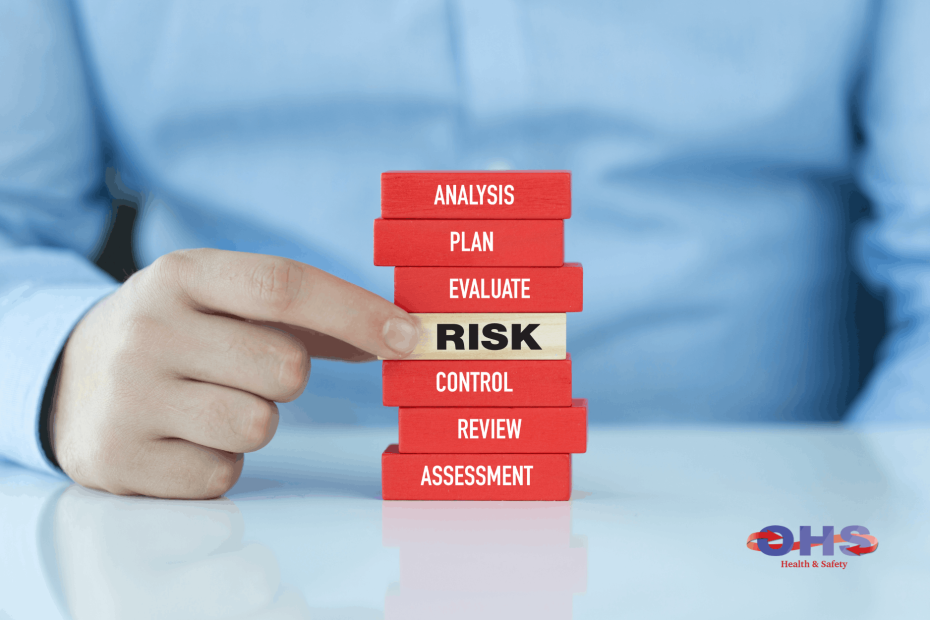
Health and Safety Tips for Working in High-Risk Industries
High-risk industries such as construction, oil and gas, manufacturing, mining, chemical processing, and heavy logistics play a vital role in global economic development. In countries like the United Arab Emirates, these industries are especially important due to large infrastructure projects, energy production, and industrial growth. However, the nature of work in these sectors exposes employees to serious hazards including falls, heavy machinery accidents, chemical exposure, electrical risks, and confined spaces.
Because of these risks, organizations must prioritize strong health and safety strategies. A structured safety culture, clear procedures, and the implementation of modern safety frameworks such as HSE Management Systems UAE are essential to protect workers and ensure compliance with regulatory standards.
Companies increasingly rely on professional Health and Safety Consultants and specialized Health & Safety Consultancy UAE firms to help identify hazards, improve safety policies, and maintain regulatory compliance.
This blog explores essential health and safety tips for employees and organizations operating in high-risk industries, highlighting practical strategies to reduce accidents, improve safety culture, and maintain a safe working environment.
Understanding High-Risk Industries
High-risk industries are sectors where workers face significant exposure to physical, chemical, mechanical, or environmental hazards. These industries typically involve heavy equipment, hazardous materials, high elevations, or dangerous working conditions.
Examples of high-risk industries include:
- Construction
- Oil and gas
- Mining
- Manufacturing
- Maritime operations
- Aviation maintenance
- Heavy logistics and warehousing
- Chemical processing
- Power generation
Workers in these industries must deal with multiple hazards simultaneously, which increases the likelihood of workplace accidents if proper safety measures are not implemented.
To mitigate these risks, companies adopt structured frameworks such as HSE Management Systems UAE, which provide guidelines for hazard identification, risk assessment, incident reporting, and safety improvement.
Professional Health and Safety Consultants often assist organizations in building and maintaining these systems, ensuring compliance with national and international safety standards.
The Importance of Workplace Safety in High-Risk Industries
Workplace safety is not only about regulatory compliance; it is about protecting human lives. Workplace accidents can result in severe injuries, fatalities, financial losses, and reputational damage.
Benefits of strong workplace safety programs include:
- Reduced Workplace Accidents
Implementing structured safety systems significantly reduces workplace incidents.
Organizations that work with Health & Safety Consultancy UAE firms typically see improvements in:
- Hazard identification
- Safety training
- Safety monitoring
- Incident prevention
- Improved Employee Morale
Employees feel more confident and motivated when they know their workplace prioritizes safety.
A well-implemented HSE MANAGEMENT SYSTEMS UAE framework demonstrates the organization’s commitment to worker protection.
- Regulatory Compliance
Countries such as the UAE enforce strict workplace safety regulations. Companies that fail to comply with these regulations may face:
- Heavy fines
- Legal penalties
- Project shutdowns
- License suspensions
Professional HEALTH AND SAFETY CONSULTANTS help organizations stay compliant with safety laws and international standards.
Common Hazards in High-Risk Work Environments
Before discussing safety tips, it is important to understand the types of hazards workers face.
Physical Hazards
Physical hazards include:
- Working at heights
- Slips and falls
- Machinery accidents
- Falling objects
- Vehicle collisions
Chemical Hazards
Workers in industrial sectors may be exposed to:
- Toxic chemicals
- Flammable substances
- Hazardous gases
- Industrial solvents
Electrical Hazards
Electrical risks can cause severe injuries or fatalities. These hazards include:
- Exposed wiring
- Electrical arc flashes
- Faulty equipment
- Improper grounding
Environmental Hazards
Environmental risks include:
- Extreme temperatures
- Dust exposure
- Noise pollution
- Poor ventilation
Implementing strong HSE Management Systems UAE helps organizations identify and control these hazards effectively.
Essential Health and Safety Tips for High-Risk Industries
- Conduct Regular Risk Assessments
Risk assessment is the foundation of workplace safety.
A risk assessment identifies hazards, evaluates their impact, and implements control measures to minimize risks.
Steps in a risk assessment include:
- Identifying hazards
- Evaluating potential harm
- Determining risk levels
- Implementing control measures
- Monitoring and reviewing risks
Professional Health and Safety Consultants often conduct detailed risk assessments to ensure that all potential hazards are addressed.
Organizations working with Health & Safety Consultancy UAE companies gain expert insights into improving workplace safety.
- Provide Proper Safety Training
Employee training is one of the most effective ways to reduce workplace accidents.
Workers must understand:
- Safety procedures
- Hazard identification
- Emergency response
- Equipment handling
- Personal protective equipment usage
Training programs should be conducted regularly and updated whenever new hazards are introduced.
Many organizations rely on Health and Safety Consultants to design customized training programs aligned with HSE Management Systems UAE.
-
Use Personal Protective Equipment (PPE)
Personal protective equipment is essential for worker safety in hazardous environments.
Common PPE includes:
- Hard hats
- Safety goggles
- Protective gloves
- Steel-toe boots
- Respirators
- Hearing protection
Employers must ensure that PPE is:
- Provided to all workers
- Properly maintained
- Correctly used
Professional Health & Safety Consultancy UAE firms often conduct PPE compliance audits to ensure workers follow safety protocols.
- Implement Strong Safety Policies
Clear safety policies ensure that employees understand workplace safety expectations.
A comprehensive safety policy should include:
- Hazard reporting procedures
- Emergency response plans
- Incident reporting protocols
- Safety responsibilities
- Disciplinary procedures for violations
Organizations implementing HSE Management Systems UAE typically develop detailed safety manuals and operational guidelines.
-
Promote a Strong Safety Culture
Safety culture refers to the attitudes, beliefs, and behaviors related to workplace safety.
A positive safety culture encourages employees to:
- Report hazards
- Follow safety procedures
- Participate in safety meetings
- Suggest safety improvements
Companies often collaborate with Health and Safety Consultants to build a strong safety culture across the organization.
- Regular Equipment Inspections
Heavy machinery and equipment must be inspected regularly to ensure safe operation.
Inspection procedures include:
- Daily equipment checks
- Preventive maintenance
- Safety system testing
- Repair of damaged equipment
Equipment failure is one of the most common causes of workplace accidents.
By implementing proper maintenance programs under HSE Management Systems UAE, organizations can significantly reduce equipment-related incidents.
-
Improve Communication and Reporting
Clear communication is essential for maintaining workplace safety.
Employees should be encouraged to report:
- Unsafe conditions
- Near-miss incidents
- Equipment malfunctions
- Hazardous materials
Organizations working with Health & Safety Consultancy UAE experts often implement digital reporting systems to improve communication.
- Implement Emergency Response Plans
Emergencies can occur at any time, especially in high-risk industries.
Common workplace emergencies include:
- Fires
- Chemical spills
- Explosions
- Structural collapses
- Medical emergencies
Emergency response plans should include:
- Evacuation procedures
- Emergency contacts
- First aid response
- Fire safety protocols
Professional Health and Safety Consultants assist organizations in developing comprehensive emergency preparedness plans.
-
Monitor Workplace Conditions
Environmental monitoring helps detect hazardous conditions early.
Monitoring systems may track:
- Air quality
- Chemical exposure
- Noise levels
- Temperature
- Structural stability
Advanced monitoring systems are often integrated into HSE Management Systems UAE frameworks.
- Conduct Safety Audits and Inspections
Safety audits evaluate whether an organization follows safety procedures and regulatory requirements.
Audits typically review:
- Safety documentation
- Employee training records
- Equipment maintenance
- Incident reports
- Compliance with safety standards
Companies often hire Health & Safety Consultancy UAE professionals to conduct independent safety audits.
These audits help identify safety gaps and recommend improvements.
The Role of Technology in Workplace Safety
Technology is transforming workplace safety in high-risk industries.
Modern safety tools include:
- Wearable safety devices
- Smart helmets
- Environmental sensors
- Safety management software
- AI-powered hazard detection
These technologies improve real-time monitoring and enhance safety decision-making.
Many organizations integrate these technologies into HSE Management Systems UAE to create smarter and safer workplaces.
Leadership Commitment to Safety
Safety leadership plays a critical role in accident prevention.
Leaders must:
- Set safety goals
- Allocate safety resources
- Encourage hazard reporting
- Support employee safety initiatives
Companies working with Health and Safety Consultants often develop leadership training programs that strengthen safety accountability.
Continuous Safety Improvement
Workplace safety should never remain static.
Organizations must continuously improve safety performance through:
- Incident investigations
- Safety performance reviews
- Employee feedback
- Safety innovation
- Ongoing training
Professional Health & Safety Consultancy UAE firms help organizations analyze safety data and implement improvement strategies.
Challenges in High-Risk Industry Safety
Despite safety improvements, high-risk industries still face many challenges.
These challenges include:
- Human error
- Equipment failures
- Complex operations
- Workforce turnover
- Language barriers in multinational workplaces
Organizations must address these challenges through strong safety management frameworks such as HSE Management Systems UAE.
Building a Sustainable Safety Program
A sustainable safety program requires long-term commitment and continuous improvement.
Key components include:
- Leadership commitment
- Employee engagement
- Clear safety procedures
- Continuous training
- Regular safety audits
Working with experienced Health and Safety Consultants ensures that safety programs remain effective and aligned with international best practices.
The Role of Employee Engagement in Workplace Safety
One of the most important factors in maintaining safe operations in high-risk industries is employee engagement. Safety programs cannot succeed if employees are not actively involved in safety practices and decision-making processes.
Organizations implementing HSE Management Systems UAE often incorporate employee feedback into safety planning. These systems emphasize collaboration between management and workers to ensure that safety strategies are practical and effective in real-world working conditions.
Another effective strategy for increasing employee engagement is hazard reporting. Workers should feel comfortable reporting unsafe conditions without fear of punishment. Near-miss reporting is especially valuable because it helps organizations identify hazards before they result in injuries or accidents.
Professional Health and Safety Consultants frequently help organizations design effective hazard reporting systems and safety communication channels. These consultants ensure that safety concerns are addressed quickly and that corrective actions are implemented to prevent future incidents.
Training is another key component of employee engagement. Workers must be equipped with the knowledge and skills necessary to recognize hazards and respond appropriately to emergency situations. Safety training should not be limited to new employee orientations; it must be conducted regularly to keep employees informed about new procedures, updated regulations, and emerging workplace risks.
Companies often work with specialized Health & Safety Consultancy UAE providers
To develop customized training programs for different industries. For example, construction workers may require training in fall protection and scaffolding safety, while oil and gas workers may need instruction in confined space entry and hazardous material handling.
Furthermore, leadership involvement is essential for building employee trust in safety programs. When managers and supervisors demonstrate their commitment to safety by following procedures and participating in safety activities, employees are more likely to adopt the same behaviors.
In high-risk industries, safety is not just a policy—it is a shared responsibility. When organizations combine effective leadership, worker engagement, structured frameworks like HSE Management Systems UAE, and expert support from Health and Safety Consultants and Health & Safety Consultancy UAE, they create a workplace environment where safety becomes a core value rather than just a compliance requirement.
Through continuous communication, training, and collaboration, organizations can significantly reduce workplace incidents and ensure that employees return home safely at the end of each workday.
Conclusion
High-risk industries are essential to economic growth, but they also present significant workplace hazards. Ensuring worker safety requires a proactive approach that combines training, risk assessments, technology, and strong safety culture.
Organizations that implement structured frameworks such as HSE Management Systems UAE can significantly reduce workplace incidents and improve operational efficiency.
Collaborating with experienced Health and Safety Consultants and professional Health & Safety Consultancy UAE firms provides organizations with expert guidance, helping them build effective safety systems and maintain regulatory compliance.
Ultimately, workplace safety is a shared responsibility. Employers must provide safe working environments, while employees must follow safety procedures and remain vigilant about potential hazards.
By prioritizing health and safety in high-risk industries, organizations can protect their most valuable asset their people while ensuring sustainable growth and long-term success.