
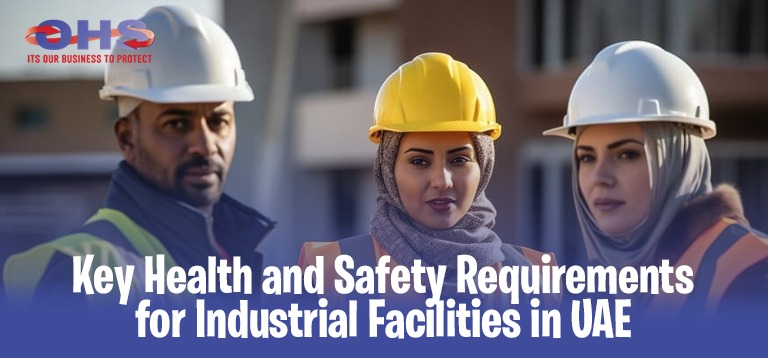
Industrial facilities play an important part in the UAE’s economy. These support a lot of industries in the country: factories, warehouses, manufacturing plants, construction sites, and processing facilities. But these workplaces may also have risks such as accidents, fires, chemical exposure, mechanical hazards, and worker injuries.
Businesses have to meet tough health and safety rules to guarantee the protection of workers and to maintain a safe working environment. Knowing these rules helps businesses meet the standards of the UAE and provide a safer work environment for everyone.
Why Health and Safety Is Important in Industrial Facilities
Safety and health procedures help avoid accidents, reduce injuries, and increase productivity in the workplace. A safe worksite protects employees, equipment, and company assets, and lowers downtime and legal risk.
Powerful health and safety practices can:
- Prevent workplace accidents and injuries
- Protect employees from occupational hazards
- Improve employee confidence and morale
- Reduce operational disruptions
- Ensure compliance with UAE safety regulations
- Enhance business reputation
UAE Health and Safety Regulations for Industrial Facilities
The UAE established occupational health and safety laws to guarantee that employers create a safe working environment. Industrial facilities shall conform to the requirements of national rules and local authority guidelines.
Organizations have to regularly analyze risks in the workplace, apply safety controls, and train employees properly.
Key areas covered by UAE health and safety regulations include:
- Workplace safety management
- Risk assessment procedures
- Fire safety requirements
- Emergency preparedness
- Personal protective equipment (PPE)
- Hazardous material handling
- Occupational health programs
- Employee training and awareness
Conducting Workplace Risk Assessments
One of the most important health and safety needs of industrial facilities is risk assessment.
A risk assessment finds hazards that may affect employees, equipment, or the environment. After dangers are identified, companies can take control steps to limit the risks.
Common industrial risks include:
- Moving machinery
- Electrical systems
- Slips, trips, and falls
- Chemical exposure
- Manual handling injuries
- Noise and vibration
- Fire and explosion risks
Regular risk assessments help businesses maintain a safer workplace and stay compliant with safety regulations.
Fire Safety and Emergency Preparedness
Fire safety is a compulsory requirement for all industrial sites in the UAE.
Industrial facilities usually include electrical equipment, combustible materials, fuels, and chemicals that increase the risk of fire.
Companies should implement:
- Fire detection systems
- Fire extinguishers
- Emergency exit routes
- Evacuation procedures
- Fire safety training
- Regular fire drills
Emergency response plans should be clearly communicated to all employees so they know what actions to take during an emergency.
Personal Protective Equipment (PPE)
Personal Protective Equipment helps protect workers from workplace hazards.
The type of PPE required depends on the nature of the work being performed.
Common PPE used in industrial facilities includes:
- Safety helmets
- Protective gloves
- Safety glasses
- Face shields
- High-visibility clothing
- Safety footwear
- Hearing protection
- Respiratory protection
Employers must provide appropriate PPE and ensure employees are trained on its correct use and maintenance.
Machinery and Equipment Safety
Industrial machinery can cause serious injuries if not operated correctly.
To improve workplace safety, facilities should:
- Conduct routine equipment inspections
- Implement lockout/tagout procedures
- Install machine guards
- Provide operator training
- Perform preventive maintenance
- Report equipment defects immediately
Proper machine safety practices help reduce accidents and improve operational efficiency.
Safe Handling of Hazardous Materials
Many industrial facilities store or use chemicals and hazardous substances.
Improper handling can lead to injuries, environmental damage, and health problems.
Best practices include:
- Proper chemical labeling
- Safe storage procedures
- Material Safety Data Sheets (MSDS) availability
- Spill response plans
- Employee training on hazardous materials
- Ventilation systems were required
Employers should ensure workers understand the risks associated with hazardous substances and follow approved safety procedures.
Employee Health and Safety Training
Training is essential for maintaining a safe workplace.
Workers should receive regular health and safety training to understand workplace hazards and safe working practices.
Important training topics include:
- Workplace safety awarenes
- Emergency procedures
- Fire safety
- First aid awareness
- PPE usage
- Equipment operation
- Hazard reporting
- Chemical safety
Ongoing training helps employees stay informed and reduces the likelihood of workplace incidents.
Incident Reporting and Investigation
All occupational events, near misses, and accidents have to be recorded and investigated.
Incident investigations assist organizations in determining root causes and avoiding such disasters from occurring again.
An effective reporting system should:
- Encourage immediate reporting
- Document incidents accurately
- Investigate causes thoroughly
- Implement corrective actions
- Monitor safety performance trends
A proactive approach to incident management strengthens workplace safety culture.
Occupational Health Monitoring
Industrial workers are exposed to physical, chemical, or environmental risks that may have a health impact over time.
Programs in occupational health aim to track the health of employees and detect any potential health risks at an early stage.
These programs may include:
- Medical examinations
- Health screenings
- Exposure monitoring
- Ergonomic assessments
- Wellness initiatives
Regular health monitoring supports employee safety and long-term workforce health.
Building a Strong Safety Culture
Establishing a safe environment is more than following the law. This means that safety has to be a daily priority for the entire company.
Companies can strengthen safety culture by:
- Encouraging employee participation
- Conducting regular safety meetings
- Recognizing safe behaviors
- Providing continuous training
- Promoting open communication
- Reviewing safety performance regularly
When safety becomes part of everyday operations, businesses can greatly reduce workplace risks.
Conclusion
The UAE industrial facilities’ health and safety rules are meant to safeguard workers, increase operational efficiency, and confirm compliance with the law. Organizations can build safer and more productive workplaces by completing risk assessments, implementing fire safety measures, providing correct PPE, maintaining equipment, and giving regular training.
Investing in workplace health and safety allows a business to meet regulatory standards and build a better, more durable staff. Working with skilled health and safety professionals might help verify that industrial facilities remain compliant and meet the highest safety standards across all operations.