
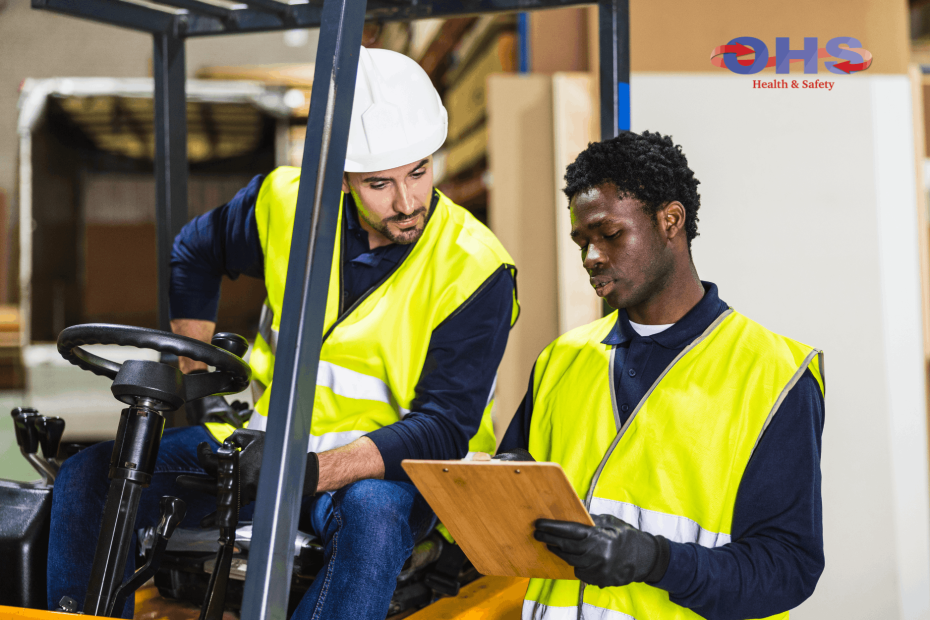
Best Practices for Warehouse Occupational Safety in the UAE
Warehouses play a crucial role in the United Arab Emirates’ logistics, manufacturing, and retail sectors. From large distribution centers in Dubai and Abu Dhabi to smaller storage facilities across the country, warehouses support supply chains that drive economic growth. However, these environments also present numerous occupational hazards, including heavy machinery, high storage racks, vehicle traffic, manual handling, and fire risks.
Ensuring occupational safety in warehouses is therefore essential for protecting workers, maintaining compliance with UAE regulations, and improving operational efficiency. Organizations that adopt strong safety frameworks supported by HSE Management Systems UAE, experienced Health and Safety Consultants, and professional Health & Safety Consultancy UAE services can significantly reduce workplace accidents and build a safer work environment.
This blog explores the best practices for warehouse occupational safety in the UAE, highlighting risk management strategies, regulatory requirements, training procedures, and practical safety measures that organizations can implement.
Understanding Warehouse Occupational Safety in the UAE
Warehouse operations involve multiple activities such as loading and unloading goods, storing materials on high racks, operating forklifts, and managing inventory. Each of these tasks carries potential safety risks that must be carefully managed.
Common hazards found in warehouses include:
- Forklift accidents
- Falling objects from racks
- Slips, trips, and falls
- Manual handling injuries
- Fire hazards
- Equipment malfunctions
- Exposure to chemicals
To address these risks, organizations should implement comprehensive safety frameworks through HSE Management Systems UAE. These systems provide structured processes for hazard identification, risk assessment, incident reporting, and continuous improvement.
According to safety guidelines for warehouse environments, risk assessments and safety audits are essential to identify hazards and ensure compliance with workplace safety regulations.
With proper safety planning and management, warehouses can become safer and more productive workplaces.
Importance of Occupational Safety in UAE Warehouses
Occupational safety is not only a legal obligation in the UAE but also a key factor in maintaining business continuity and operational efficiency.
- Protecting Worker Health and Safety
Warehouse workers face daily exposure to hazards such as heavy loads, mechanical equipment, and elevated storage systems. Implementing strict safety protocols helps prevent injuries and occupational illnesses.
- Compliance with UAE Regulations
Authorities in the UAE enforce strict safety regulations across industries, including warehouses. Compliance with safety standards ensures organizations avoid penalties, shutdowns, or legal liabilities.
Many warehouse facilities must also comply with the UAE Fire and Life Safety Code and maintain adequate fire detection and suppression systems.
- Reducing Operational Risks
Workplace accidents can disrupt warehouse operations, damage inventory, and increase insurance costs. Effective safety management reduces these risks and improves business resilience.
- Enhancing Employee Productivity
Workers who feel safe and supported are more productive and engaged. A safe workplace encourages employees to perform tasks efficiently without fear of injury.
Organizations often rely on Health and Safety Consultants to assess workplace risks and develop tailored safety programs that protect employees and improve operational performance.
Key Hazards in Warehouse Operations
Understanding the most common hazards in warehouses is the first step toward implementing effective safety practices.
- Forklift and Vehicle Hazards
Forklifts are essential for warehouse operations but are also a major source of accidents. Risks include collisions, overturning, and falling loads.
Safety measures include:
- Certified forklift operator training
- Clearly marked traffic routes
- Speed limits for vehicles
- Pedestrian safety zones
Proper training and supervision significantly reduce forklift-related accidents.
- Racking System Failures
Warehouse racks carry heavy loads and must be maintained regularly. Overloading or improper installation can lead to structural failure.
Regular inspections are recommended to detect damage before it causes accidents. In many GCC warehouses, racking systems should be inspected every six months to ensure structural safety.
Key racking safety practices include:
- Displaying load capacity labels
- Avoiding uneven load distribution
- Conducting routine maintenance inspections
Organizations can work with Health & Safety Consultancy UAE providers to conduct compliance audits and ensure racking systems meet safety standards.
- Manual Handling Injuries
Manual handling tasks such as lifting boxes or moving goods can cause musculoskeletal injuries.
Best practices include:
- Providing mechanical lifting equipment
- Training workers on proper lifting techniques
- Limiting maximum weight loads
Manual handling training is an essential component of warehouse safety programs.
- Slips, Trips, and Falls
Cluttered walkways and poor housekeeping can lead to slips and falls.
Safety strategies include:
- Maintaining clean work areas
- Ensuring proper lighting
- Marking walkways clearly
Maintaining clear walkways and separating pedestrian paths from equipment routes reduces accident risks.
- Fire Hazards
Warehouses often store flammable materials such as packaging, chemicals, and fuels.
Fire prevention measures include:
- Fire risk assessments
- Proper storage of hazardous materials
- Installation of fire detection and suppression systems
Sprinkler systems and fire-rated storage areas help control fire spread in warehouse environments.
Implementing HSE Management Systems in Warehouses
Implementing HSE Management Systems UAE is one of the most effective ways to ensure long-term warehouse safety.
An HSE management system provides structured processes for:
- Hazard identification
- Risk assessment
- Incident reporting
- Safety inspections
- Emergency response planning
- Continuous improvement
These systems ensure safety is embedded into daily warehouse operations rather than treated as an afterthought.
Role of Health and Safety Consultants
Many organizations rely on Health and Safety Consultants to develop and implement effective safety programs.
Consultants help businesses by:
- Conducting workplace safety audits
- Developing risk assessments
- Designing safety management systems
- Providing safety training programs
- Ensuring regulatory compliance
Their expertise helps organizations identify safety gaps and implement industry best practices.
Best Practices for Warehouse Occupational Safety
- Conduct Regular Safety Audits
Safety audits help identify hazards and ensure compliance with regulations.
Audits should review:
- Equipment safety
- Storage practices
- Fire protection systems
- Emergency procedures
Routine inspections help prevent accidents and maintain safe working conditions.
- Provide Comprehensive Employee Training
Training is essential for ensuring workers understand safety procedures.
Training programs should cover:
- Equipment operation
- Hazard identification
- Emergency response procedures
- PPE usage
Regular refresher training helps reinforce safety awareness.
- Implement Clear Safety Signage
Clear signage improves communication and alerts workers to hazards.
Examples include:
- Emergency exit signs
- Warning signs for hazardous areas
- Traffic control signs
Proper signage helps reduce confusion and prevents accidents.
- Maintain Equipment and Machinery
Regular inspection and maintenance of equipment are essential for preventing mechanical failures.
All warehouse equipment should be inspected regularly to detect deterioration before it becomes a safety risk.
- Use Personal Protective Equipment (PPE)
PPE protects workers from injuries caused by hazardous tasks.
Common warehouse PPE includes:
- Safety helmets
- High-visibility clothing
- Safety gloves
- Protective footwear
Employers must ensure PPE is available and properly maintained.
Fire Safety Management in Warehouses
Fire safety is one of the most critical aspects of warehouse safety.
Key fire safety practices include:
- Installing fire detection systems
- Maintaining fire extinguishers
- Conducting fire drills
- Storing hazardous materials properly
Warehouse layouts must also allow sprinkler systems to function effectively and prevent obstruction.
Warehouse Security and Surveillance
Security also contributes to occupational safety.
Modern warehouses use:
- CCTV surveillance
- Access control systems
- Security patrols
These technologies help monitor warehouse operations and prevent unauthorized access.
Emergency Preparedness and Response
Warehouses must prepare for emergencies such as fires, accidents, or chemical spills.
Emergency planning should include:
- Evacuation procedures
- First aid stations
- Emergency response teams
- Communication systems
Regular drills ensure employees understand how to respond quickly during emergencies.
Technology and Automation for Warehouse Safety
Technology is increasingly being used to improve warehouse safety.
Examples include:
- Warehouse management systems
- Automated inventory tracking
- Climate monitoring sensors
- CCTV and AI surveillance systems
Digital tools improve visibility, reduce human errors, and enhance safety monitoring.
The Role of Safety Culture in Warehouse Operations
Safety culture refers to the shared values, attitudes, and behaviors related to safety within an organization.
Strong safety cultures include:
- Management commitment to safety
- Employee involvement in safety initiatives
- Open communication about hazards
- Continuous safety improvement
Organizations with strong safety cultures experience fewer workplace accidents.
Benefits of Health and Safety Consultancy in the UAE
Partnering with Health & Safety Consultancy UAE providers offers several benefits:
- Expert safety guidance
- Regulatory compliance support
- Reduced workplace accidents
- Improved operational efficiency
- Enhanced reputation and credibility
Professional safety consultants help organizations build robust safety programs tailored to their industry needs.
Monitoring, Reporting, and Continuous Improvement in Warehouse Safety
An effective warehouse safety program does not end with the implementation of procedures and training. Continuous monitoring, reporting, and improvement are essential to ensure that safety standards remain effective as warehouse operations evolve. Businesses across the UAE increasingly rely on structured HSE Management Systems UAE to track safety performance and maintain high standards of occupational safety.
Safety Performance Monitoring
Monitoring workplace safety performance allows organizations to identify trends, measure improvements, and detect potential risks before they result in accidents. Warehouse managers should regularly review safety indicators such as:
- Number of reported hazards
- Near-miss incidents
- Workplace injury rates
- Equipment inspection results
- Compliance with safety procedures
Tracking these indicators helps organizations identify areas where additional safety measures may be required. For example, if near-miss incidents involving forklifts increase, management can implement additional driver training or modify warehouse traffic routes to reduce risks.
Incident Reporting and Investigation
Encouraging employees to report hazards, near-miss incidents, and accidents is essential for improving workplace safety. Workers should feel comfortable reporting issues without fear of blame or disciplinary action. A transparent reporting system allows safety managers to investigate incidents thoroughly and implement corrective actions.
Incident investigations should focus on identifying root causes rather than assigning blame. This approach allows organizations to improve safety systems, update procedures, and prevent similar incidents from occurring in the future. Professional Health and Safety Consultants often assist organizations in developing effective incident investigation frameworks and reporting procedures.
Continuous Improvement Through Safety Reviews
Warehouse environments constantly change due to new equipment, increased storage capacity, or operational expansion. Regular safety reviews ensure that existing safety measures remain effective and aligned with current operational needs.
Organizations should conduct periodic reviews of their safety management systems to evaluate:
- Risk assessments and hazard controls
- Training effectiveness
- Emergency response procedures
- Equipment maintenance programs
- Compliance with UAE safety regulations
These reviews help organizations adapt their safety strategies and maintain compliance with evolving regulations and industry best practices.
The Value of Professional Safety Support
Many companies partner with specialized Health & Safety Consultancy UAE providers to support continuous safety improvement. These experts provide independent safety audits, training programs, and compliance assessments that help organizations maintain strong occupational safety standards.
External consultants also bring industry knowledge and experience that can help warehouses adopt new safety technologies, improve risk management strategies, and align their operations with international health and safety standards.
By combining strong internal safety leadership with professional safety expertise, warehouse operators in the UAE can build safer workplaces, reduce operational risks, and protect the wellbeing of their employees while supporting long-term business success.
Conclusion
Warehouse occupational safety is essential for protecting workers, maintaining regulatory compliance, and ensuring efficient operations in the UAE’s logistics sector. By implementing comprehensive safety practices, organizations can significantly reduce workplace accidents and create safer working environments.
The adoption of structured HSE Management Systems UAE, collaboration with experienced Health and Safety Consultants, and engagement with professional Health & Safety Consultancy UAE services provide businesses with the tools and expertise needed to manage warehouse risks effectively.
From conducting regular safety audits and employee training to maintaining equipment and implementing fire safety systems, every safety measure contributes to a stronger and more resilient warehouse operation.
Ultimately, organizations that prioritize occupational safety not only protect their workforce but also strengthen their long-term operational success in the UAE’s competitive industrial landscape.