
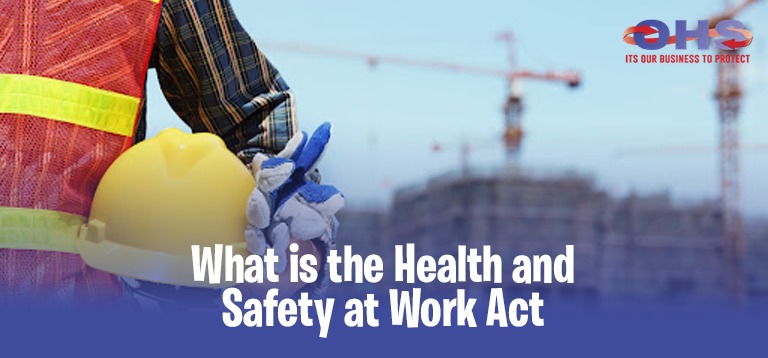
The Health and Safety at Work Act is a workplace health and safety control that outlines how employers, employees and enterprises should avoid accidents, decrease health hazards and keep safe working conditions. Companies in the UAE apply workplace safety requirements for legal compliance and the safety of workers.
Why Is the Health and Safety at Work Act Important?
The main purpose of workplace health and safety laws is to prevent:
- Workplace accidents
- Injuries and illnesses
- Unsafe working conditions
- Fire hazards
- Exposure to dangerous materials
- Mental and physical stress at work
A safe workplace improves employee confidence, productivity, and business reputation.
Main Objectives of the Health and Safety at Work Act
The law focuses on creating a safe work culture. Its key goals include:
Protecting Employees
Employers must provide a safe environment where workers can perform their duties without unnecessary risks.
Preventing Workplace Accidents
Businesses should identify hazards and take steps to reduce dangers before accidents happen.
Providing Proper Training
Employees should receive safety training so they know how to handle equipment, emergencies, and workplace risks.
Encouraging Safe Work Practices
Workers should follow safety instructions, wear protective equipment, and report hazards immediately.
Employer Responsibilities Under the Health and Safety at Work Act
Employers play the biggest role in workplace safety. They must:
Conduct Risk Assessments
Businesses should regularly inspect workplaces and identify possible dangers.
Provide Safety Equipment
Companies must provide proper protective equipment, such as:
- Helmets
- Gloves
- Safety shoes
- Goggles
- Masks
Maintain Safe Workspaces
Work areas should be clean, organized, and free from hazards.
Offer Emergency Procedures
Employees should know what to do during:
- Fires
- Medical emergencies
- Chemical spills
- Evacuations
Train Employees Regularly
Safety training should be updated often to keep workers aware of new risks and procedures.
Many businesses work with a professional Corporate OHS or a qualified Health and Safety Consultant to improve workplace compliance and reduce operational risks.
Employee Responsibilities
Employees also have duties under workplace safety laws.
Workers should:
- Follow company safety rules
- Use equipment properly
- Wear protective gear
- Report unsafe conditions
- Avoid risky behavior at work
Safety becomes more effective when everyone works together.
Common Workplace Hazards
Different industries face different risks. Some common workplace hazards include:
Physical Hazards
- Slippery floors
- Falling objects
- Poor lighting
- Loud noise
Chemical Hazards
Exposure to harmful chemicals or gases can affect health over time.
Electrical Hazards
Faulty wiring and unsafe electrical systems can lead to serious accidents.
Ergonomic Hazards
Poor seating positions and repetitive tasks can cause muscle pain and injuries.
Fire Hazards
Improper storage of flammable materials increases fire risks.
Benefits of Following Workplace Safety Laws
Busine ses that follow health and safety regulations enjoy many benefits.
Fewer Accidents
Safe workplaces reduce injuries and emergencies.
Better Employee Productivity
Workers perform better when they feel secure and comfortable.
Improved Business Reputation
Clients and employees trust companies that care about worker safety.
Legal Compliance
Following safety laws helps businesses avoid penalties and legal issues.
Reduced Costs
Fewer accidents mean lower medical costs, insurance claims, and downtime.
Importance of Risk Assessments
Risk assessments are a major part of workplace safety management.
A proper risk assessment helps companies:
- Identify workplace hazards
- Evaluate risks
- Apply control measures
- Prevent future incidents
Regular inspections keep businesses prepared and compliant.
Workplace Safety in the UAE
The UAE has tough workplace safety laws, notably in industries like construction, oil and gas, logistics and manufacturing.
Companies are expected to adopt international occupational health and safety standards in order to protect employees and meet regulatory requirements.
Employing an effective Health and Safety Consultant allows companies to enhance their safety practices, staff training, audits and paperwork.
How Businesses Can Make Workplaces Safer
Here are some basic ways businesses may make work safer:
- Conduct frequent safety training
- Develop emergency reaction strategies.
- Install an alarm system and safety signage
- Keep machinery in good condition
- Encourage reporting of dangers
- ·Conduct periodic workplace inspections
- Retain records of occurrences and inspections
A robust safety culture helps protect people and business operations.
Summary
The Health and Safety at Work Act is meant to safeguard workers and create safer working conditions. It helps organizations reduce accidents, enhance production and stay within the law.
All companies need to ensure that their workers are safe by providing sufficient training, safe tools and machinery, and conducting frequent risk assessments. A safe workplace is a safe workplace for employees and a location for long-term corporate success.
A dependable Health and Safety Consultant may offer expert advice to companies in the UAE to remain compliant and improve the safety standards of their work environment.